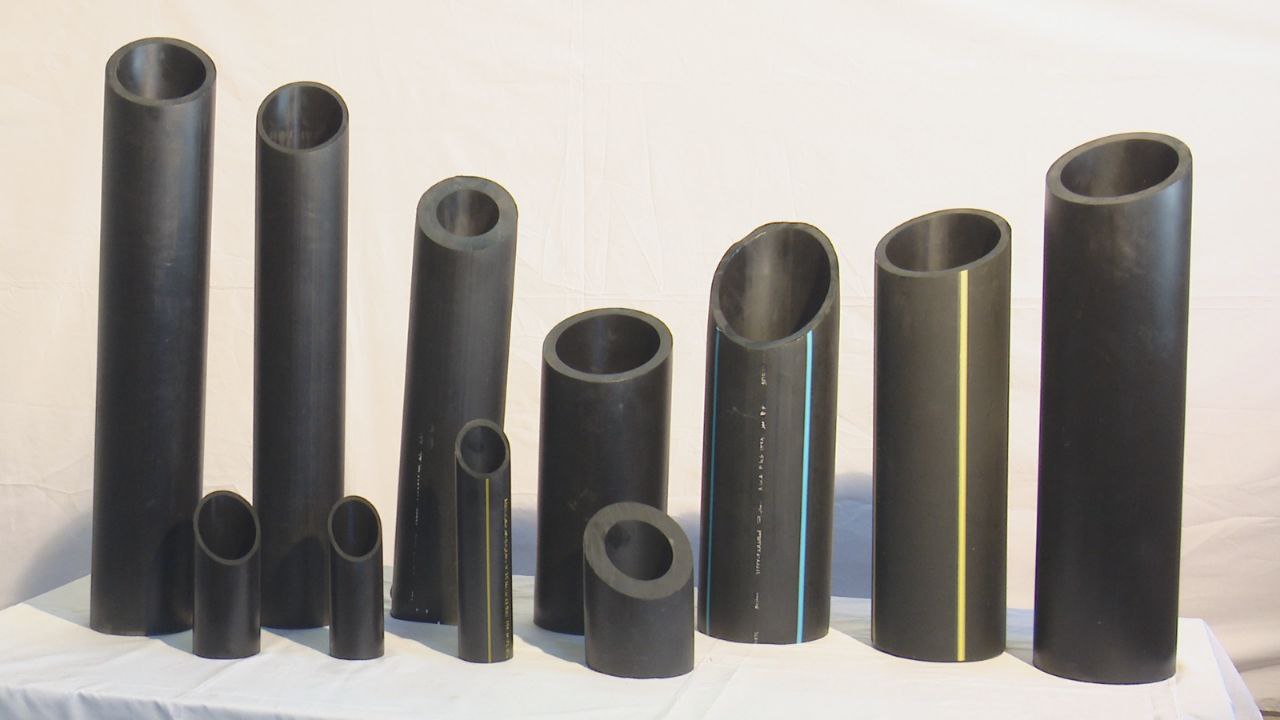
What Does PN Mean in HDPE Pipes?
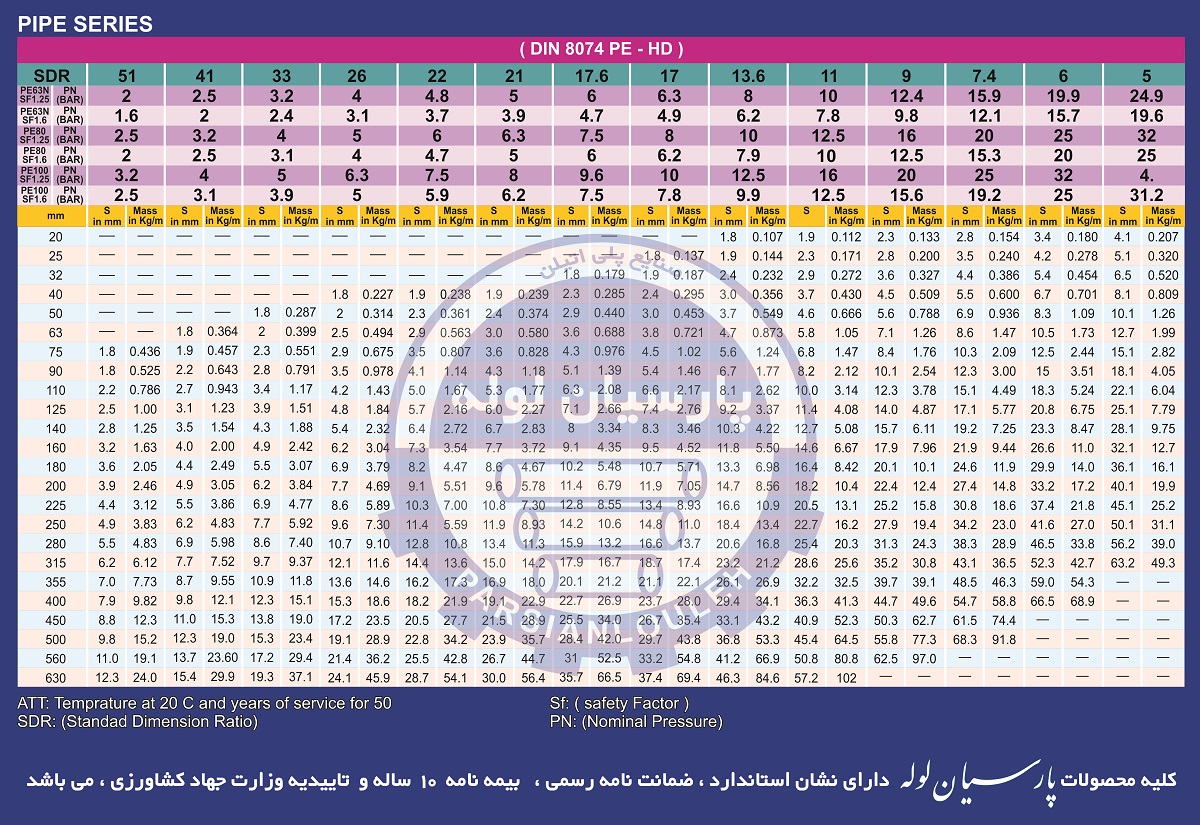
PN (Nominal Pressure) indicates the nominal pressure rating of an HDPE pipe under specified reference conditions. For water applications, pressure ratings are generally referenced at 20°C and expressed in bar.
For example, PN10 indicates a nominal pressure of 10 bar, while PN16 indicates 16 bar. However, actual operating pressure depends on temperature, the transported fluid, service conditions, polyethylene material grade (PE80 or PE100), and pipe wall thickness (SDR).
Therefore, the appropriate PN rating must be selected according to the engineering requirements and operating conditions of each project.
What Is SDR in HDPE Pipes?
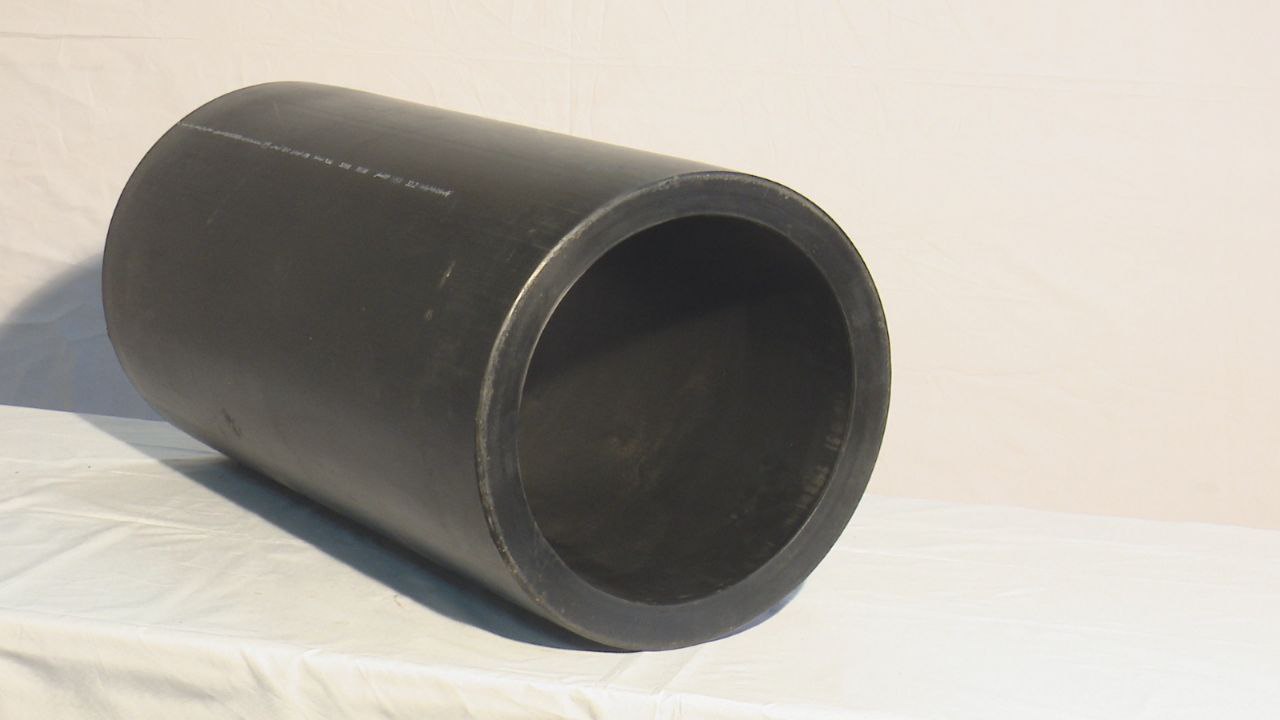
SDR (Standard Dimension Ratio) is the ratio of an HDPE pipe's nominal outside diameter to its nominal wall thickness. It is an important parameter in polyethylene pipe design.
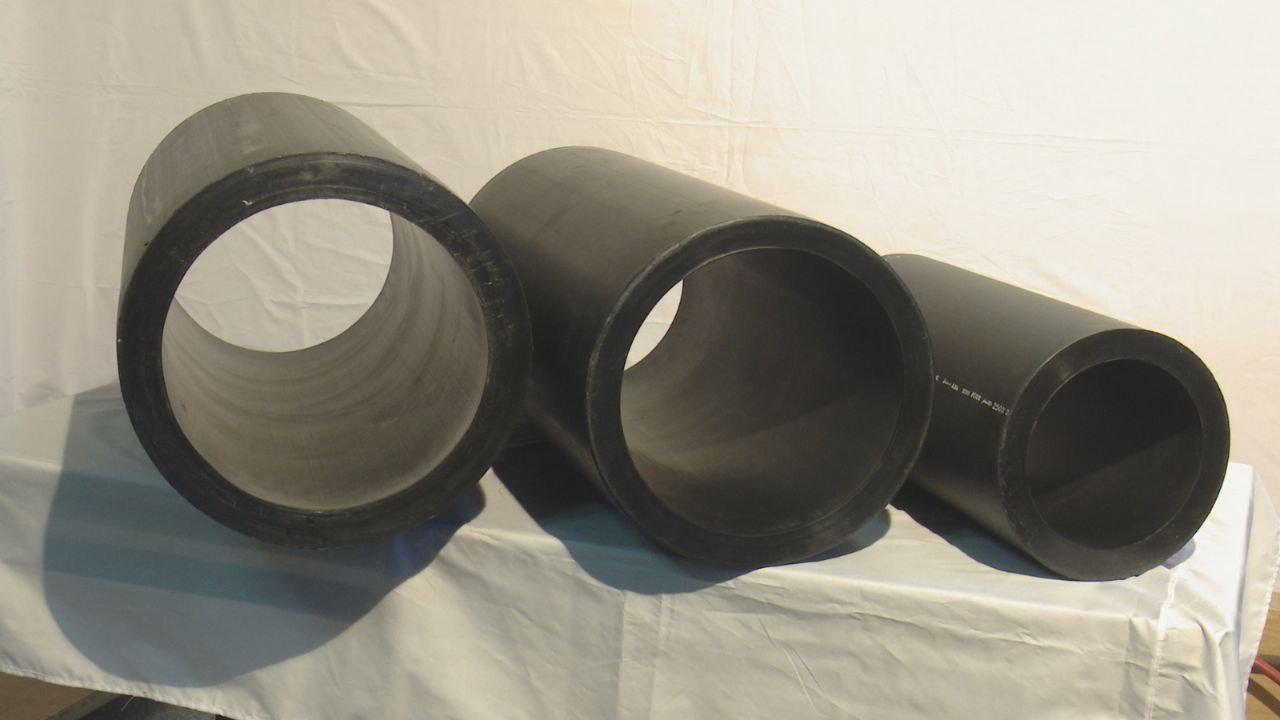
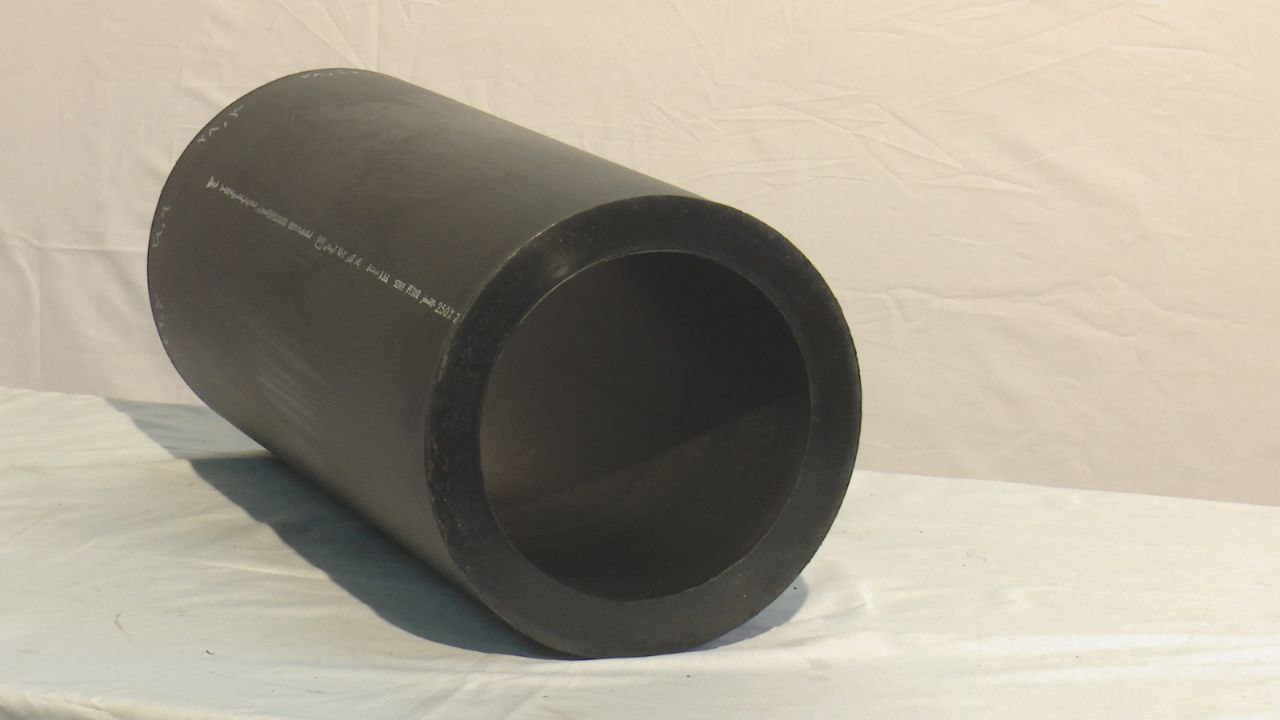
A lower SDR value indicates a thicker pipe wall and generally a higher pressure capacity for the same material grade. Conversely, a higher SDR indicates a thinner wall and lower pressure capacity.
For example, an SDR11 pipe has a thicker wall than an SDR17 pipe of the same outside diameter and material grade, making it suitable for higher pressure applications.
What Is the Difference Between SDR and PN in HDPE Pipes?
SDR and PN describe two different technical characteristics of polyethylene pipes.
SDR (Standard Dimension Ratio) represents the relationship between the pipe's outside diameter and wall thickness.
PN (Nominal Pressure) indicates the nominal pressure rating of the pipe under specified reference conditions.
In simple terms, SDR describes the pipe's relative wall thickness, while PN describes its pressure rating.
The PN rating depends on the SDR, polyethylene material grade (PE80 or PE100), and applicable design coefficient. Therefore, HDPE pipes with the same outside diameter but different SDR values may have different pressure ratings.
What Is the Difference Between PE80 and PE100 HDPE Pipes?
PE80 and PE100 are two polyethylene material grades primarily distinguished by their long-term hydrostatic strength, rather than by a fixed pipe pressure rating.
Their Minimum Required Strength (MRS) values are:
- PE80: 8 MPa
- PE100: 10 MPa
Because PE100 has higher long-term strength, it can be used to manufacture pipes with thinner walls, lower weight, and larger internal diameters for the same nominal pressure rating.
PE100 is widely used in water transmission pipelines, drinking water distribution networks, gas pipelines, and pressurized irrigation systems.
Is PE100 Always Better Than PE80?
Not necessarily. Choosing between PE80 and PE100 depends on project design pressure, operating conditions, applicable standards, technical requirements, and economic considerations.
Although PE100 offers higher long-term strength and may allow reduced wall thickness and material consumption, PE80 remains suitable for many applications when correctly designed and manufactured according to relevant standards.
The final selection should be based on engineering calculations, required pressure rating, and project specifications rather than material grade alone.
What Is MRS in Polyethylene Pipes?
MRS stands for Minimum Required Strength. It is a fundamental property used to classify polyethylene pipe materials according to their long-term hydrostatic strength.
MRS is based on long-term performance assessment at 20°C over a reference period of 50 years.
The standard material classifications include:
- PE80: MRS of 8 MPa
- PE100: MRS of 10 MPa
MRS describes the strength classification of the polyethylene material, not the nominal pressure rating of the finished pipe.
These values are established through long-term hydrostatic testing and statistical evaluation according to relevant ISO standards.
What Is the Difference Between PN and MRS in HDPE Pipes?
MRS and PN represent different technical properties.
MRS (Minimum Required Strength) describes the long-term hydrostatic strength classification of the polyethylene material.
PN (Nominal Pressure) describes the nominal pressure rating of the finished pipe under specified reference conditions, generally at 20°C for water applications.
A pipe's PN rating depends on the polyethylene grade, SDR, and applicable design coefficient.
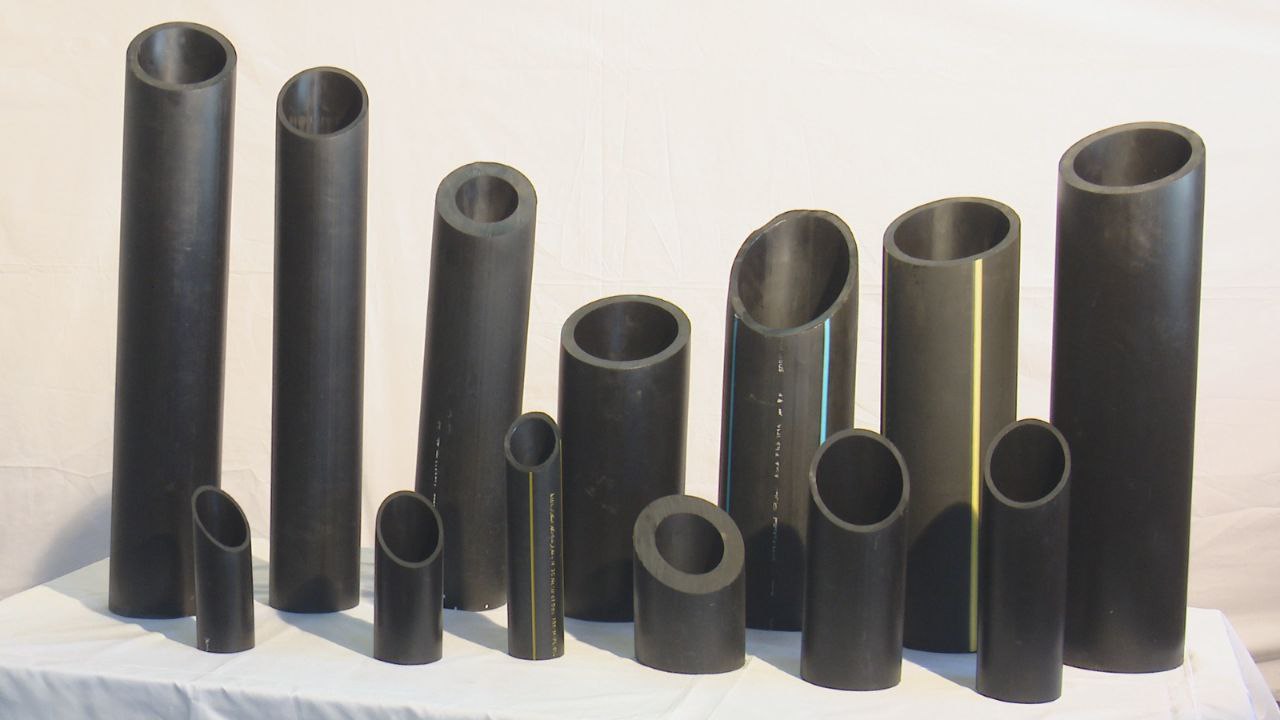
Therefore, both PE80 and PE100 pipes can be manufactured in different nominal pressure classes, such as PN6, PN10, PN16, PN20, and PN25, provided the relevant design and standard requirements are met.
Why Can PE100 Pipes Have Thinner Walls Than PE80 Pipes at the Same Pressure Rating?
PE100 polyethylene has a higher Minimum Required Strength than PE80.
PE100 has an MRS of 10 MPa, compared with 8 MPa for PE80, allowing it to withstand higher long-term design stresses under comparable conditions.
Consequently, for the same nominal pressure rating, such as PN16, a PE100 pipe may be designed with a thinner wall than a PE80 pipe while meeting the applicable safety and performance requirements.
This can provide several advantages, including reduced pipe weight, increased internal diameter, improved flow capacity, and potentially lower transportation and installation costs.
What Specifications Should Buyers Check When Choosing HDPE Pipes?
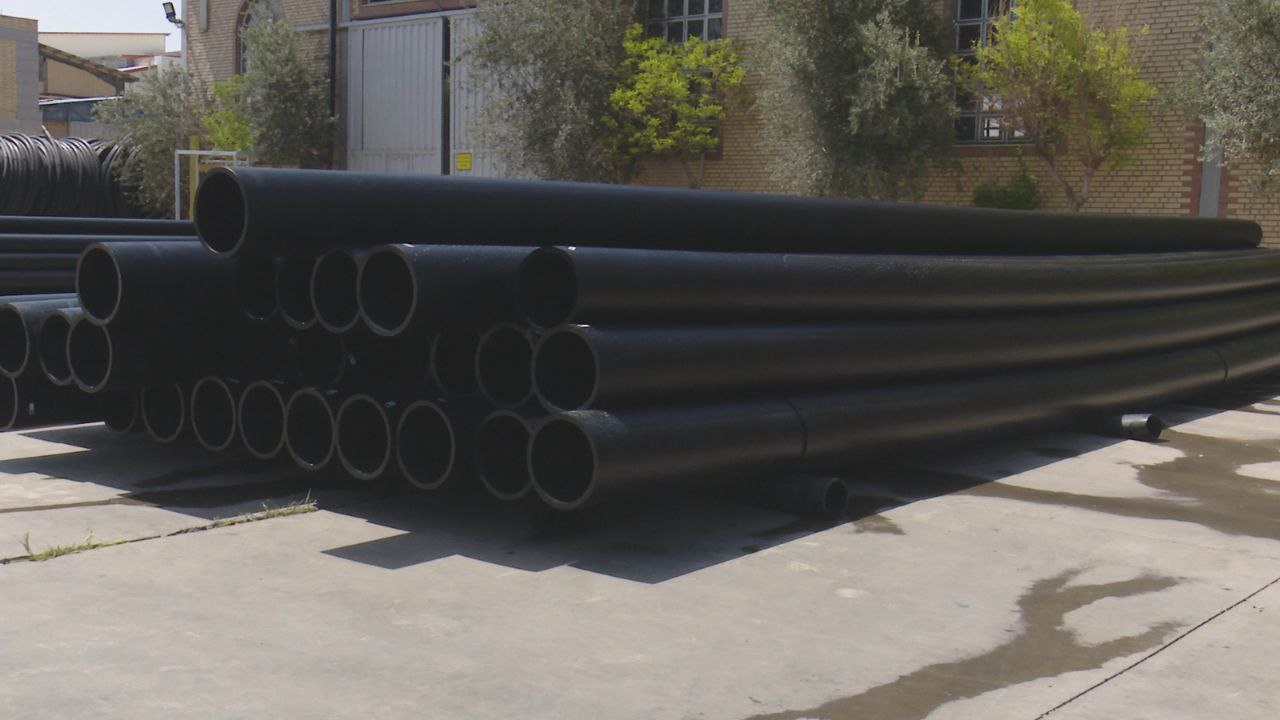
When selecting HDPE polyethylene pipes for water supply, irrigation, or infrastructure projects, three technical specifications are particularly important:
1. Material Grade (PE80 or PE100): Identifies the long-term strength classification of the polyethylene material.
2. Nominal Pressure (PN): Indicates the pipe's nominal pressure rating under specified reference conditions.
3. Standard Dimension Ratio (SDR): Defines the relationship between the outside diameter and wall thickness.
In summary, PE80 or PE100 identifies the material strength classification, SDR defines the relative wall thickness, and PN indicates the nominal pressure rating.
These specifications must be selected according to operating pressure, installation conditions, transported fluid, and applicable project standards.
Are Parsian Pipe HDPE Pipes Suitable for Drinking Water?
Yes. Parsian Pipe manufactures HDPE pipes suitable for drinking water supply and distribution networks using polyethylene materials appropriate for potable water applications.
These products are manufactured and quality-controlled according to relevant standards and are supported by food-contact suitability documentation (Food Grade).
When correctly selected and installed, suitable polyethylene water pipes are designed to transport drinking water without adversely affecting its taste, odor, or quality.
Parsian Pipe also carries out quality-control testing in its equipped laboratory to verify product conformity.
For drinking water projects, buyers should consider the applicable standards, nominal pressure rating (PN), installation conditions, and engineering design requirements.
What Standards and Certifications Do Parsian Pipe HDPE Pipes Comply With?
Parsian Pipe manufactures polyethylene pipes in accordance with Iranian National Standard INSO 14427 and DIN 8074, while applying relevant technical and quality-control requirements throughout production.
The company also holds management system certifications and technical approvals, including:
- ISO 9001: Quality Management System
- ISO 14001: Environmental Management System
- ISO 45001: Occupational Health and Safety Management System
- ISO/IEC 17025: Laboratory Competence
- Food Grade: Food-contact suitability documentation
- Relevant approvals for water supply, agricultural irrigation, and gas-related projects
These standards, certifications, and approvals support Parsian Pipe's quality-management processes and technical capabilities. Product compliance with specific project requirements is assessed according to the applicable standards, specifications, and testing requirements.